Altar de Muertos
Altar de Muertos
Inspired by the Mazateca traditions of Oaxaca
Authors: Janneth Gijón y Melina Juárez. Translated by: Susanna McKibben
In the Mazateca community of Oaxaca, Mexico, Day of the Dead is the most important festival of the year. It starts on October 27th, earlier than the traditional 1st or 2nd of November. The date and traditions coincide with the Mazateca S’ui k’en festival, which runs from October 27th to November 3rd.
Mexico celebrates Day of the Dead in many different ways. This representation of the encounter between indigenous beliefs and elements of Catholicism is alive, diverse, and deeply rooted in community.
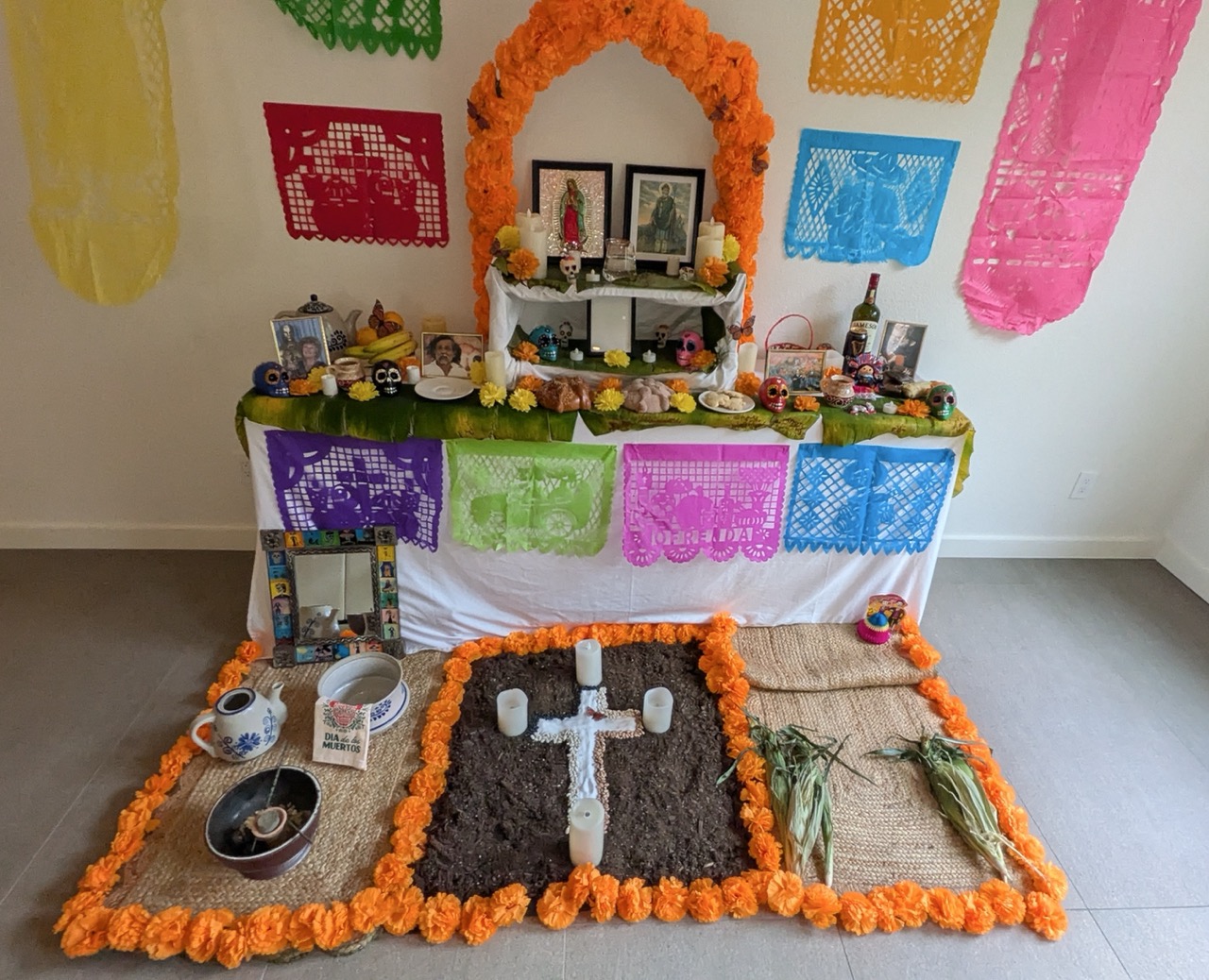
This altar is inspired by the Mazateca tradition, but we’ve also incorporated traditions from the Mexican Day of the Dead celebration, and elements that we’ve chosen to tell our own unique story.
1. The 3 Levels
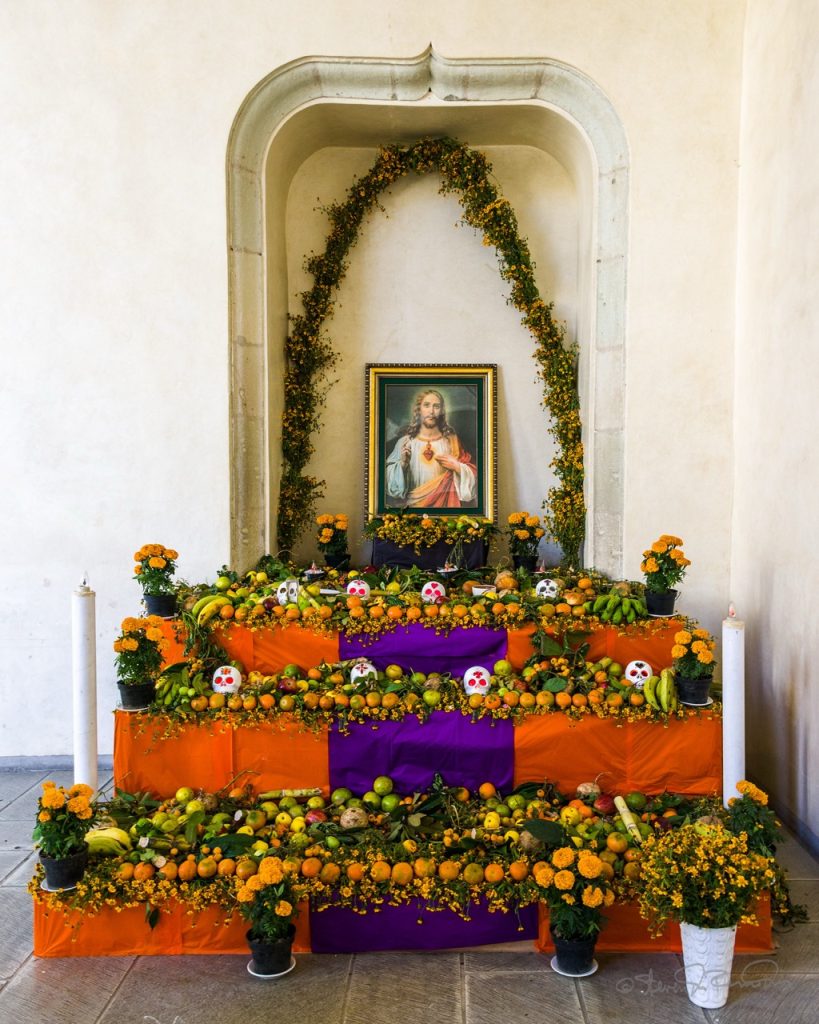
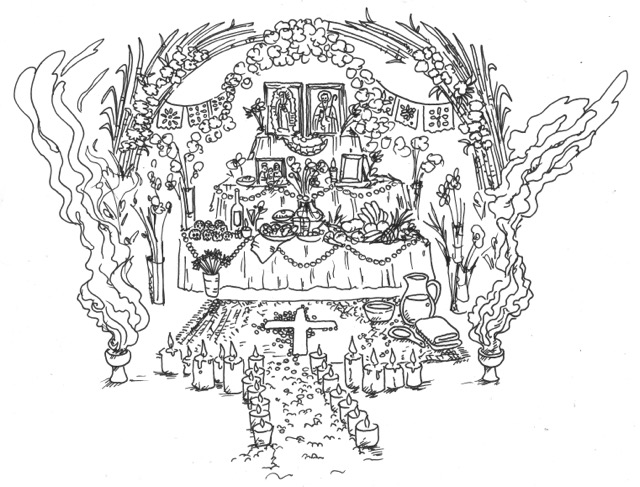
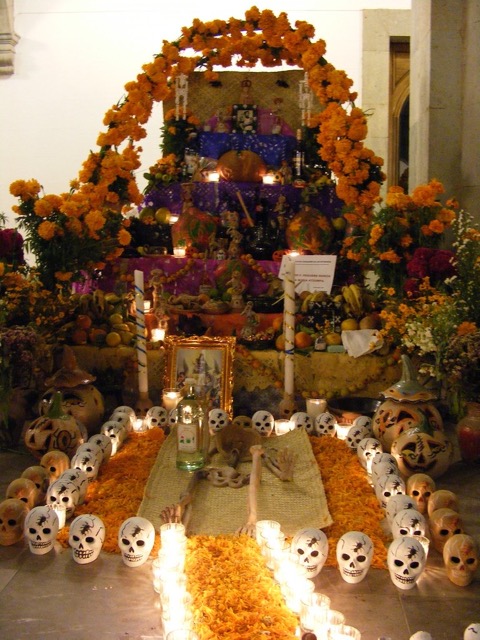
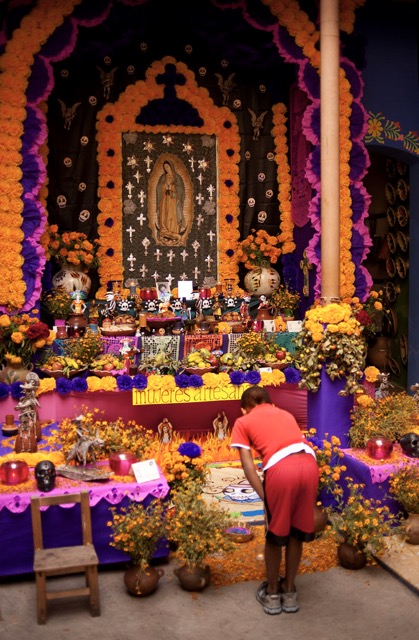
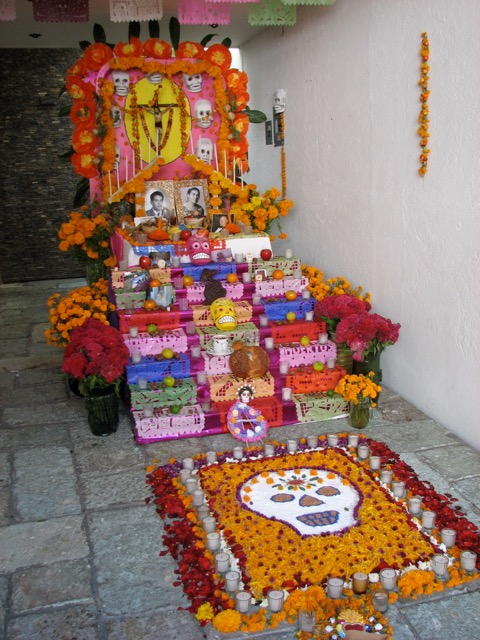
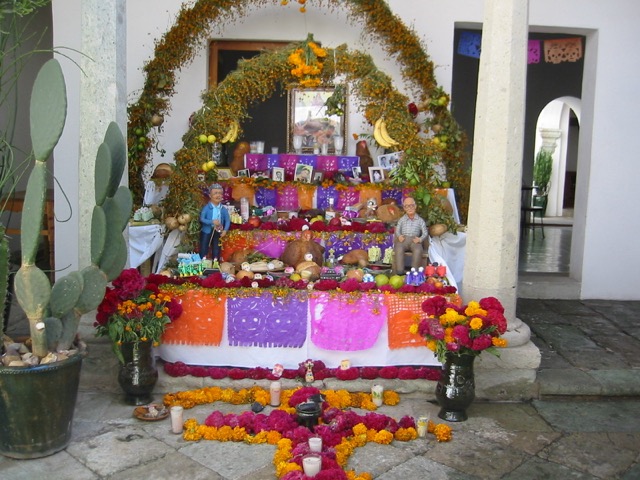
Mexican altars can have different numbers of levels and traditions. Two levels can represent sky and earth, for example. Seven levels are associated with the different levels of the underworld.
Our altar has three, and is a symbolic (Not Mazateco) representation of the sky, the earth, and the world of the dead.
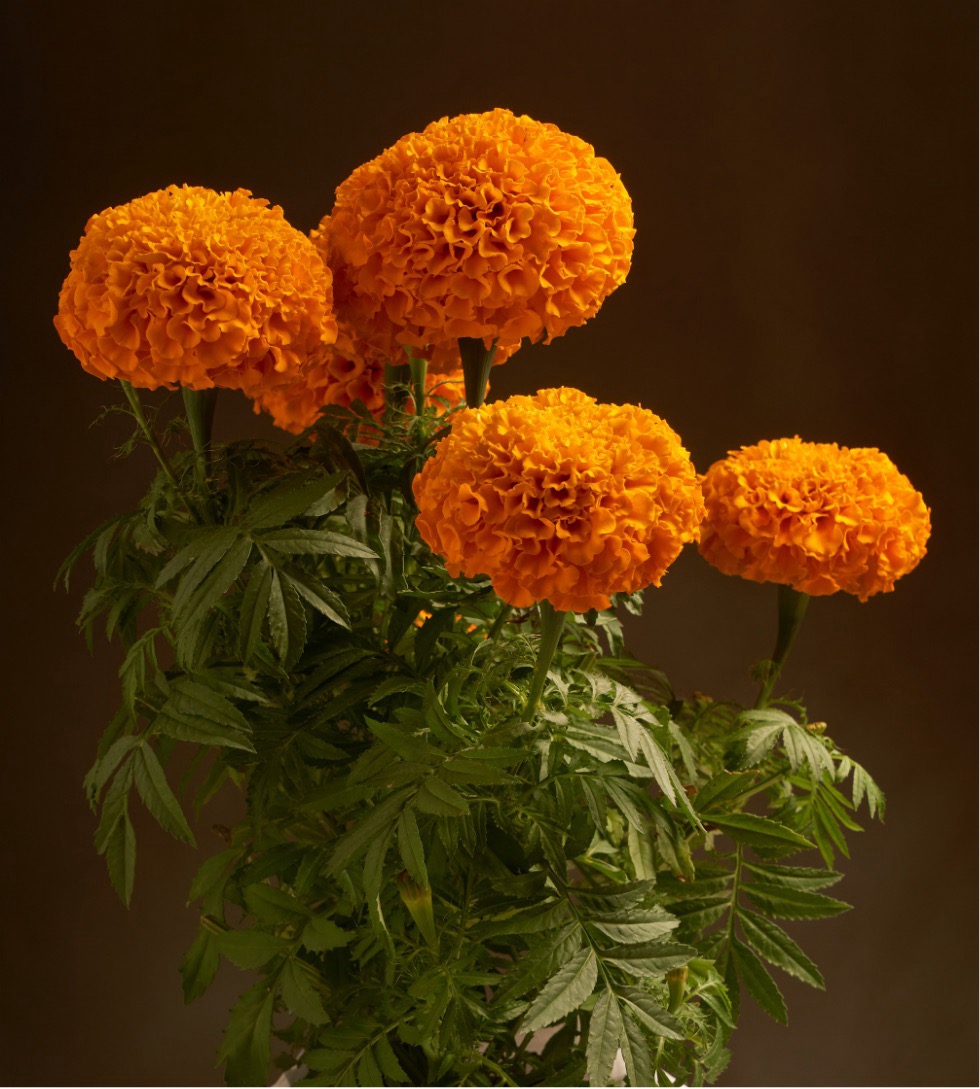
2. Flowers of the Dead Arch
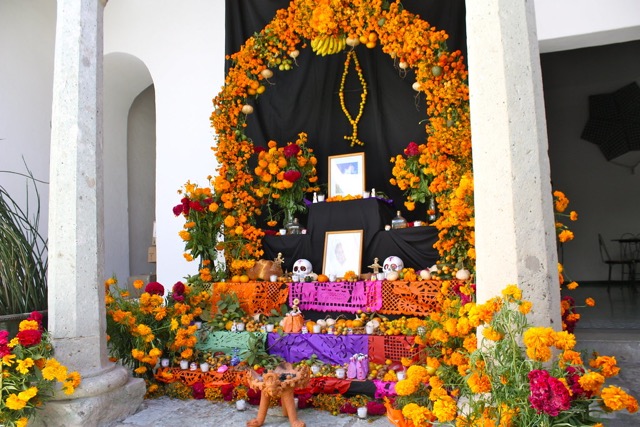
The arch represents the passage between the world of the living and the dead. It’s the door for the souls who are coming back to the ofrenda. The ofrenda goes right in the middle of this tension. We exist somewhere between light and darkness, life and death.
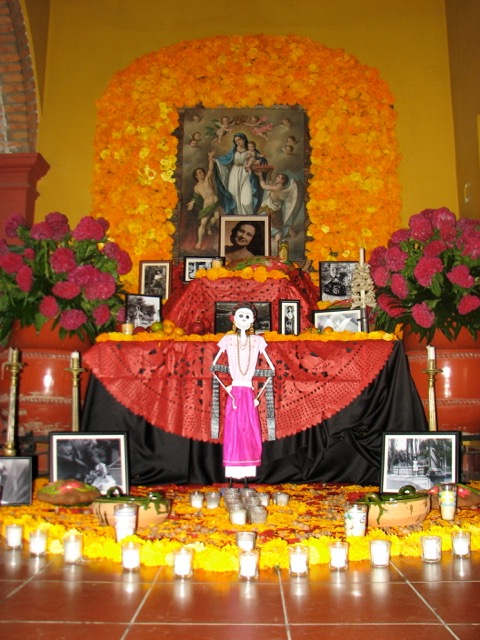
In our altar, the arch is covered in marigolds and local greenery. This is the door we imagine the souls coming through when they temporarily visit the world of the living.
The color and scent of the flowers help the souls find their way back. In Mazateca culture, they say the flower of the dead is born and dies quickly, reminding us that life is beautiful but fleeting, and that everything returns to the earth.
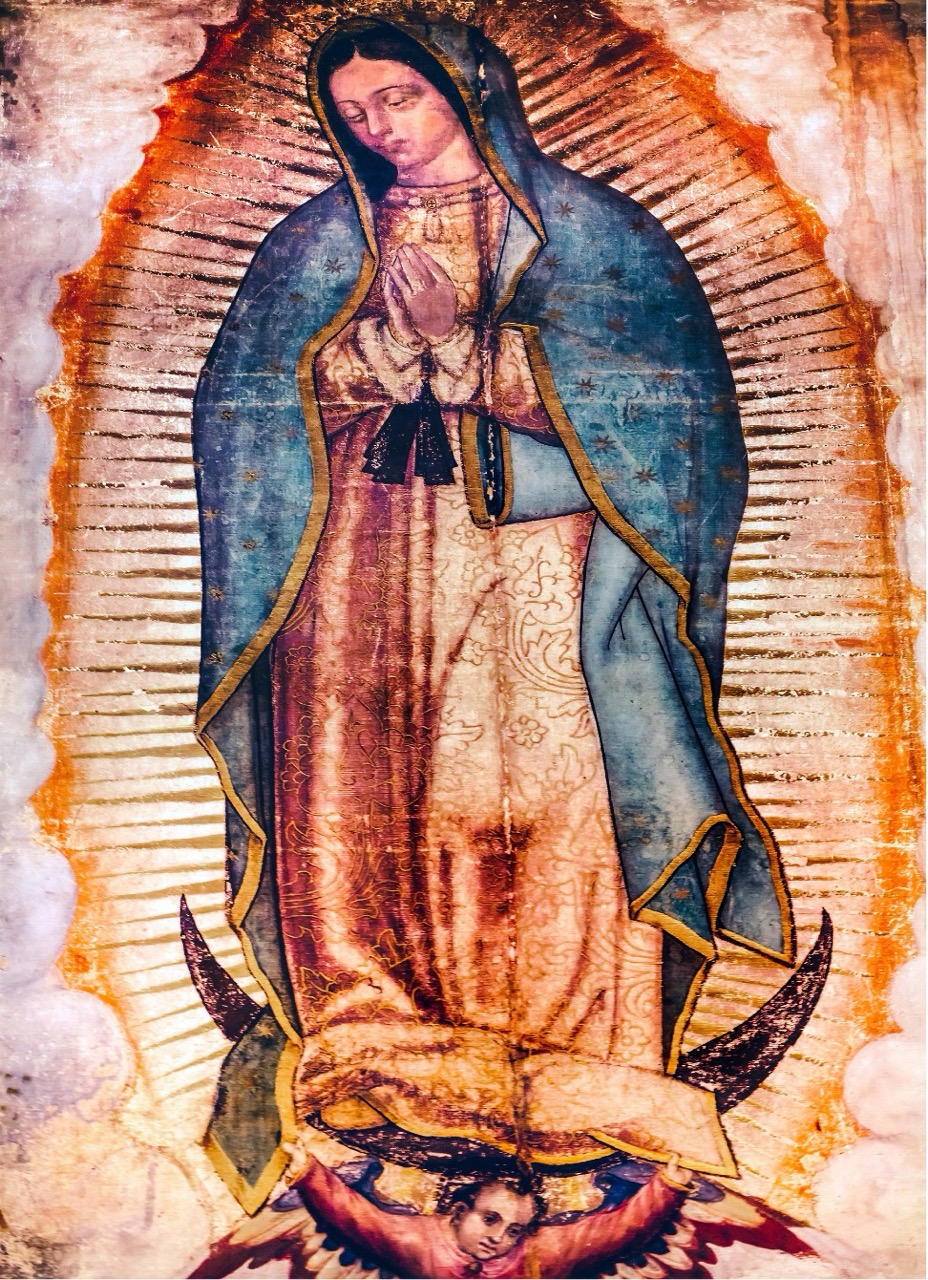
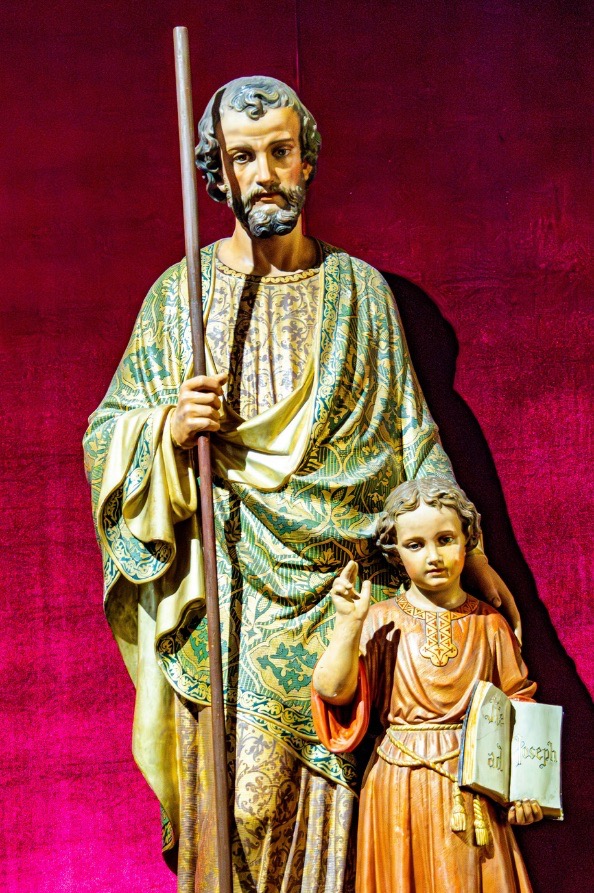
3. The Virgin of Guadalupe and Saint Patrick
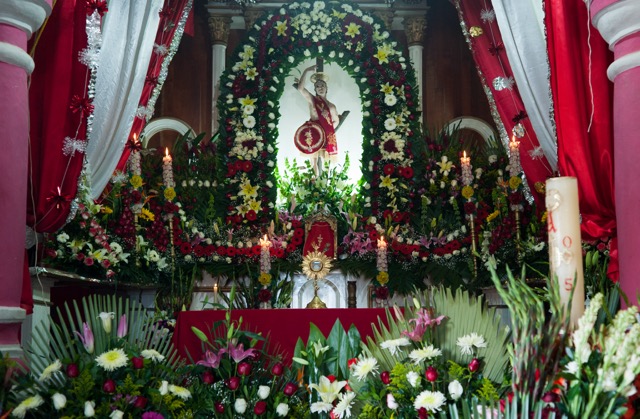
The Virgin of Guadalupe is part of Mexican tradition and is a representation of the Catholic presence in Mexico. Saint Patrick represents our connection with Ireland.
These images show the hybrid nature of this altar. Mexico and Ireland are sharing one space to remember those who have died. We decided to place these elements on the third level of the altar to show that they are part of the spiritual dimension.
4. Music
The Toxo’o dance is a Mazateca Day of the Dead tradition to honor those who have died. The term “toxo’o” loosely translates as an invitation to the deceased to “come and dance.”
The dancers leave the cemetery on October 27th and go from house to house, carrying the energy of the spirits to their homes. On November 2nd they go back to the cemetery to take the spirits back to their resting place in the tombs.
The dancers wear clothing similar to what their deceased loved ones used to wear, and the dance is accompanied by a group of musicians using traditional instruments:
- Violin
- Drum
- Vihuela
- Bell made from an animal horn
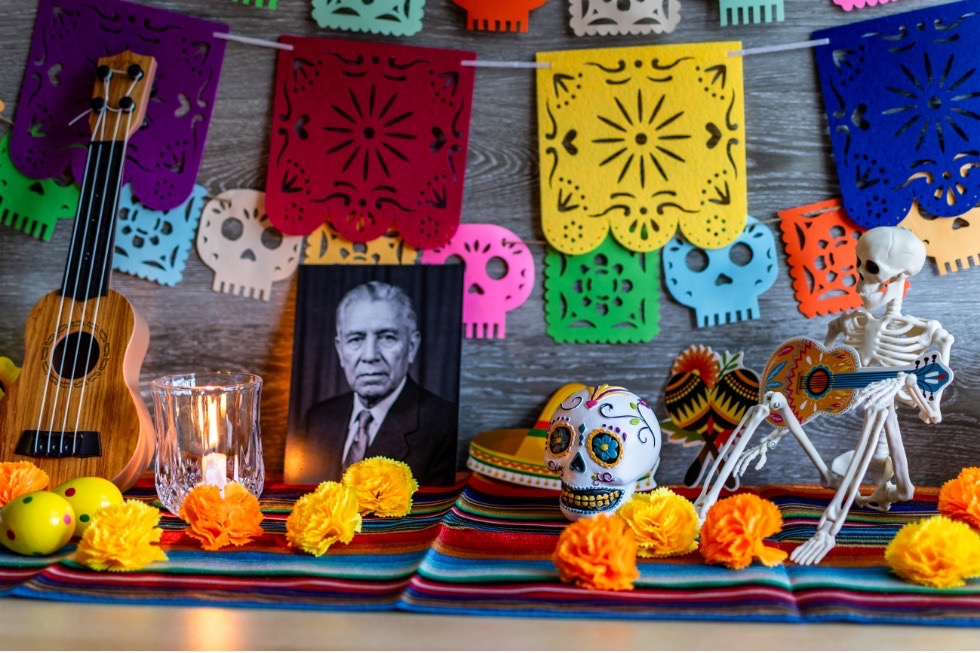
5. Photographs
We place photos on the altar of our loved ones who have died. They allow us to put a face to our memories. They are a way of saying, “We know who you are. We remember you, and we’ve prepared this place for you.”
Who is in our altar?
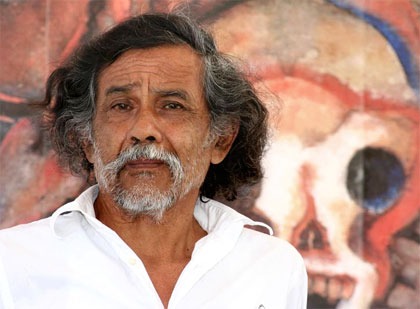
Francisco Toledo
Francisco Toledo (1940–2019) was a renowned Mexican painter, sculptor, printmaker, and cultural activist, widely regarded as one of the most influential artists in contemporary Mexican art. Born in Juchitán, Oaxaca, and deeply connected to his Zapotec heritage, Toledo developed a distinctive artistic style inspired by Indigenous mythology, nature, and the spiritual relationship between humans and animals. His imaginative works, often featuring fantastic creatures and symbolic imagery, celebrated the richness of Mexico’s cultural traditions. Beyond his artistic achievements, Toledo passionately defended Indigenous rights, environmental conservation, and cultural preservation. He founded important institutions, including the Institute of Graphic Arts of Oaxaca (IAGO), leaving a lasting legacy as both an artist and a champion of Mexico’s cultural heritage.
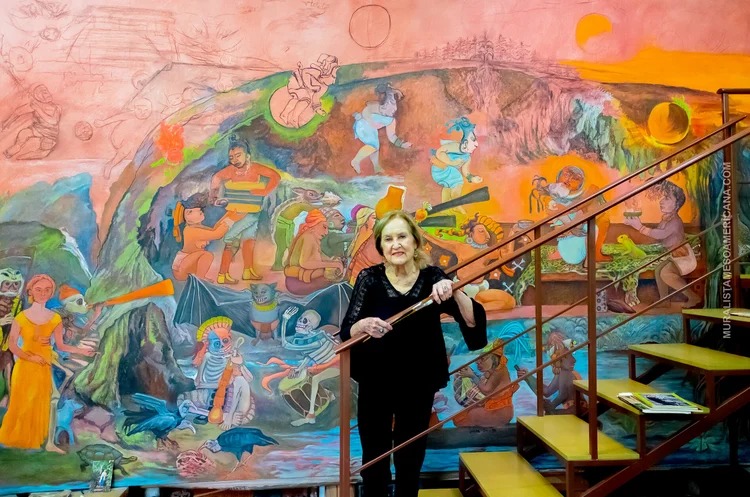
Rina Lazo
Rina Lazo (1923–2019) was a Guatemalan-born painter and muralist and one of the most prominent women of the Mexican muralist movement. A student and close collaborator of Diego Rivera, she developed a distinctive artistic style inspired by Maya civilization, Mesoamerican mythology, and social justice. Her celebrated works include Tierra Fértil de Guatemala, her reproductions of the ancient Maya murals of Bonampak, and Xibalbá: El Inframundo de los Mayas, her final masterpiece. Proud of her Guatemalan roots and her life in Mexico, Lazo described herself as a “Mesoamerican artist,” dedicating her career to preserving Indigenous heritage through monumental art.
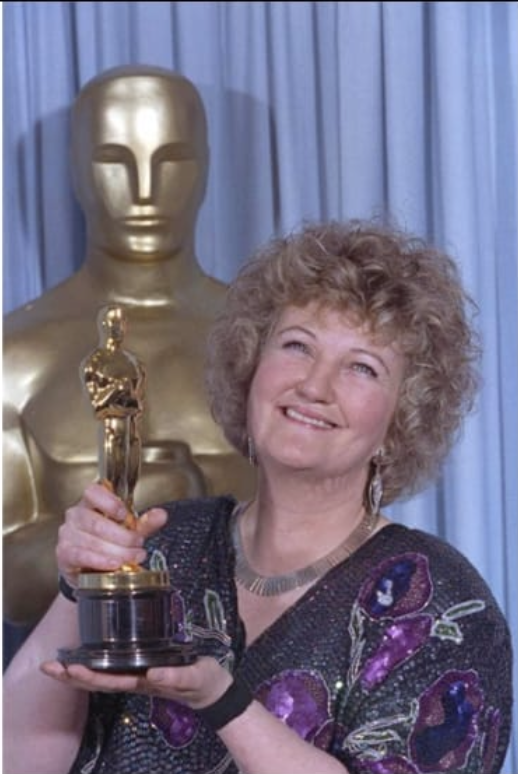
Brenda Fricker
Brenda Fricker (1945–2026) was an acclaimed Irish actress and one of the most respected performers in Irish cinema and theatre. Born in Dublin, she enjoyed a remarkable career spanning six decades, earning international recognition for her powerful portrayal of Christy Brown’s mother in My Left Foot (1989), which made her the first Irish woman to win an Academy Award. Known for her emotional depth, authenticity, and compelling screen presence, she appeared in numerous celebrated films, including The Field, Home Alone 2: Lost in New York, and Veronica Guerin. Beyond her cinematic achievements, Fricker was admired for her candid personality, resilience, and dedication to her craft. Her extraordinary career helped elevate Irish talent on the international stage, leaving an enduring legacy in film, television, and theatre.
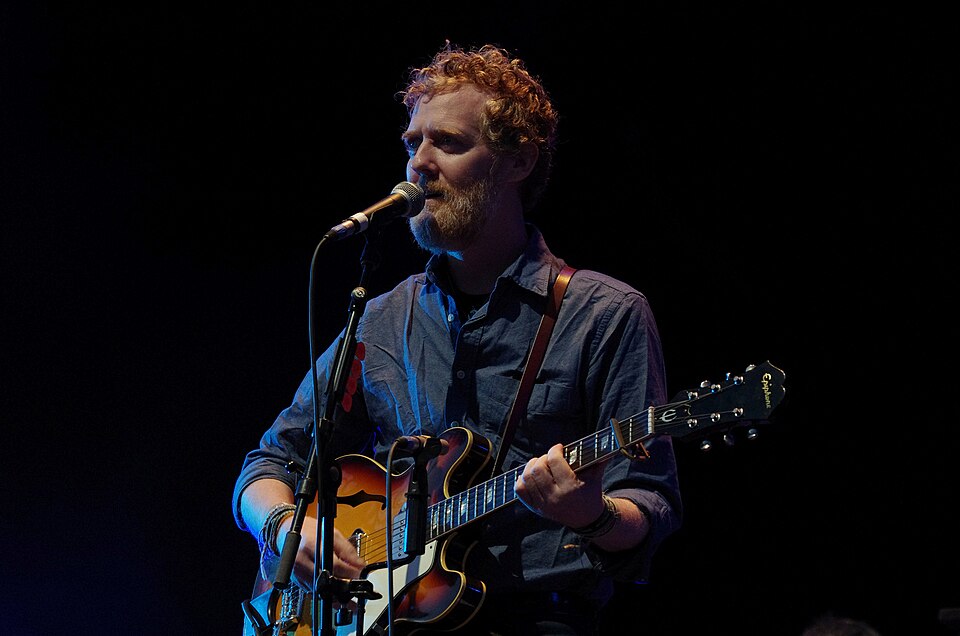
Glen Hansard
Glen Hansard (1970–2026) was an acclaimed Irish singer-songwriter, musician, and actor, celebrated for his soulful voice, heartfelt lyrics, and passionate performances. Born in Dublin, he began his musical journey as a street performer before founding the influential Irish rock band The Frames. He gained international recognition for starring in the film Once (2007), alongside Czech musician Markéta Irglová, with whom he won the Academy Award for Best Original Song for “Falling Slowly.” Blending traditional Irish musical influences with folk, rock, and soul, Hansard built a distinguished international career as both a solo artist and a member of The Swell Season. Beyond music, he was admired for his generosity, community activism, and commitment to social causes. His extraordinary talent and deeply personal songwriting left an enduring legacy in Irish music and contemporary culture.
6. An Empty Picture Frame
Our altar has a unique symbolic element that we decided to include: an empty frame. This represents everyone who has passed away but, for different reasons, doesn’t have a photo on their family altar this year. Our frame says, “If no one prepared a place for you this year, you can come here.
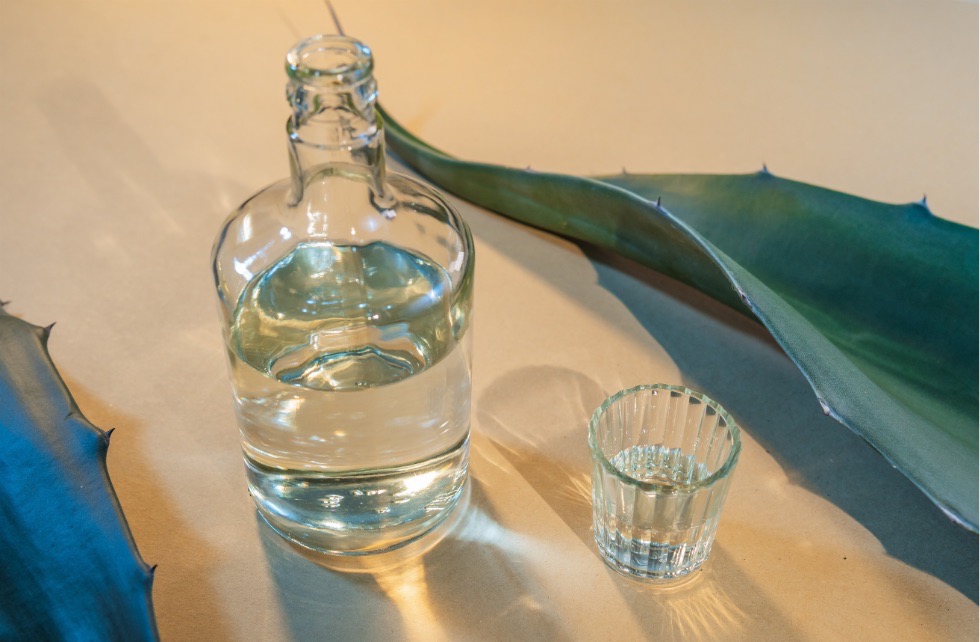
7. The beverages
Drinks like tequila, mezcal, whisky, and beer aren’t just decorations. They help us remember the things our loved ones enjoyed in life.
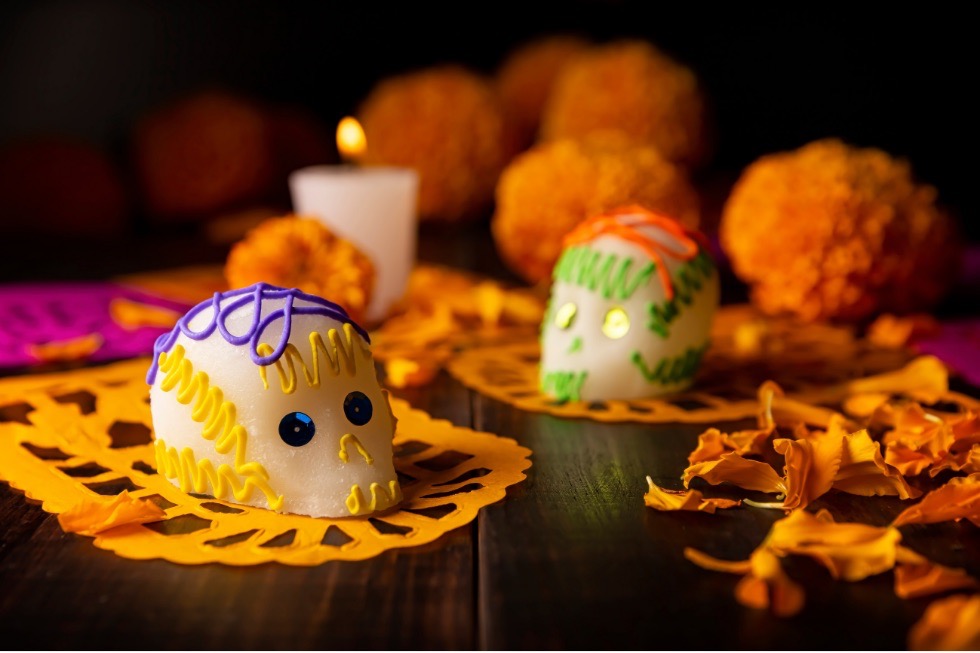
8. Sugar Skulls
Sugar skulls represent death, but in a colorful, festive, and intimate way. They remind us that life is sweet and deserves to be celebrated.
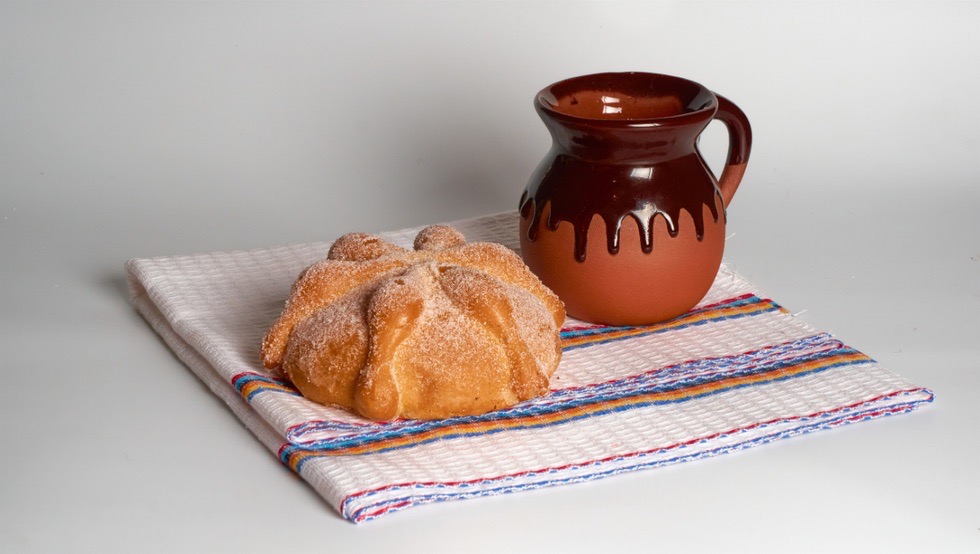
9. The Pan de Muerto
In prehispanic times bread as we know it didn’t exist. They made ritualistic figures called tzoalli with amaranth and honey (and in some cases, blood) that represented deities related to death.
When the Spanish arrived and introduced wheat, they prohibited the ritual use of amaranth. This was the beginning of a process of cultural fusion that mixed prehispanic beliefs with European baking traditions. With bones, tears, and sugar, pan de muerto became a symbol of the transition between life and death. Today it’s a bridge that connects us to our deceased loved ones, a way to remember, honor, and celebrate them.
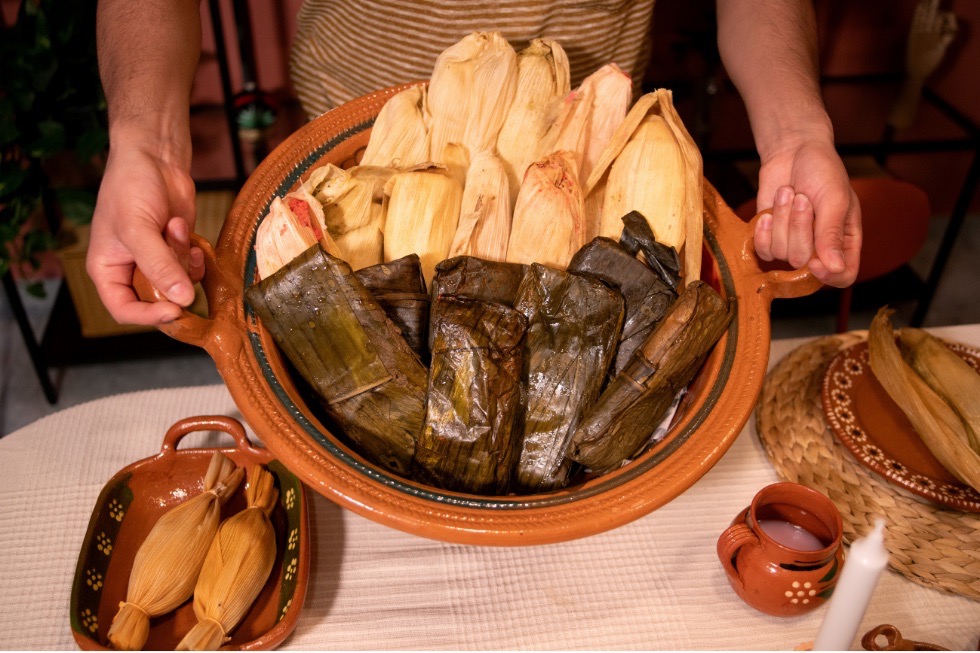
10. The Food
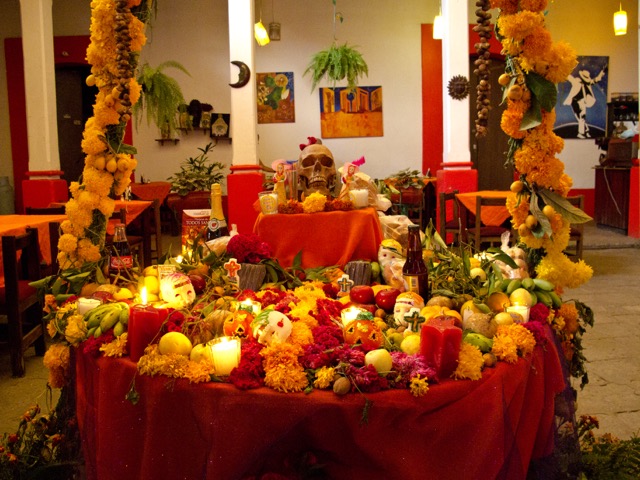
Mole, tamales, cookies, and other foods remind us of the people we loved and the memories we share with those who have gone before us. In many Mazateca communities, the food changes each day of the festivities. First they offer food for the kids, then adults, and then the oldest souls.
11. Candles
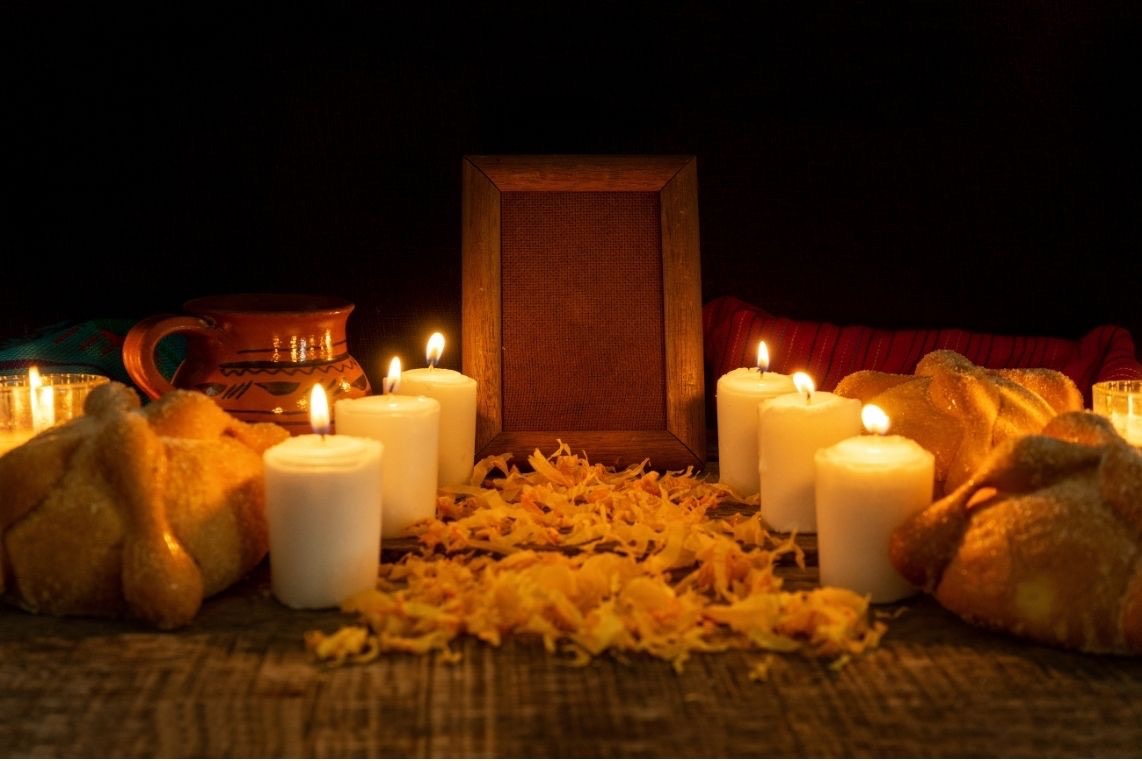
Candlelight is a beacon that shines the way for the souls on their journey back. Each flame represents a different deceased loved one. While the candle is lit, Mexicans believe their loved one is closer. When the candle goes out, it symbolizes the passage of time and the soul’s return to its place.
12. The Table
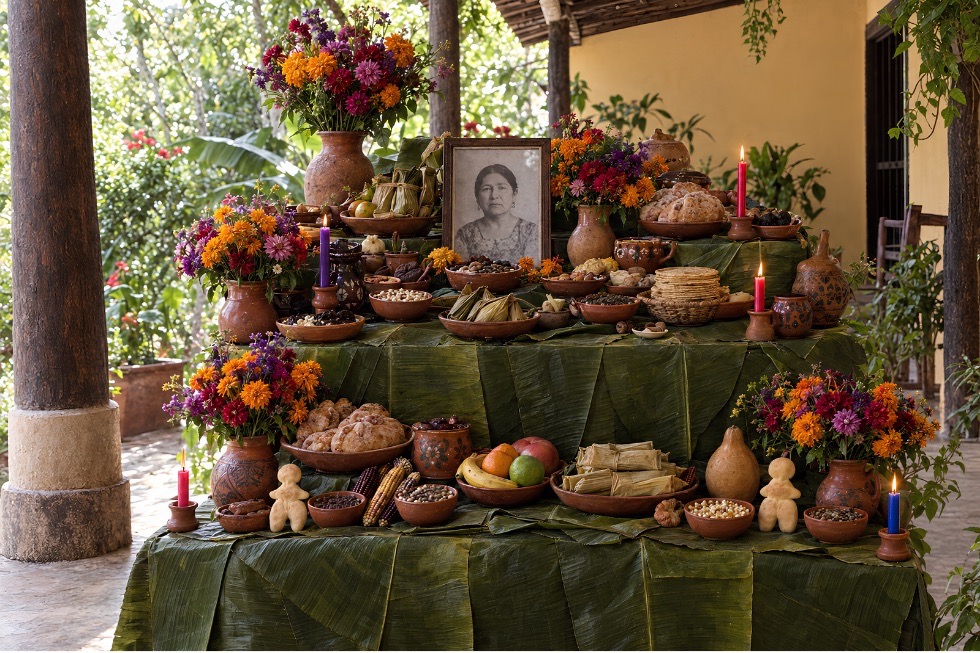
The table represents the center of the world, the place where spiritual and human forces meet. The table’s corners symbolize north, south, east, and west. This is a way of showing that the ofrenda encompasses the whole universe, that the memory of the deceased extends out in all directions. Instead of a tablecloth, our altar uses banana leaves.
13. Papel Picado (cut-out paper)
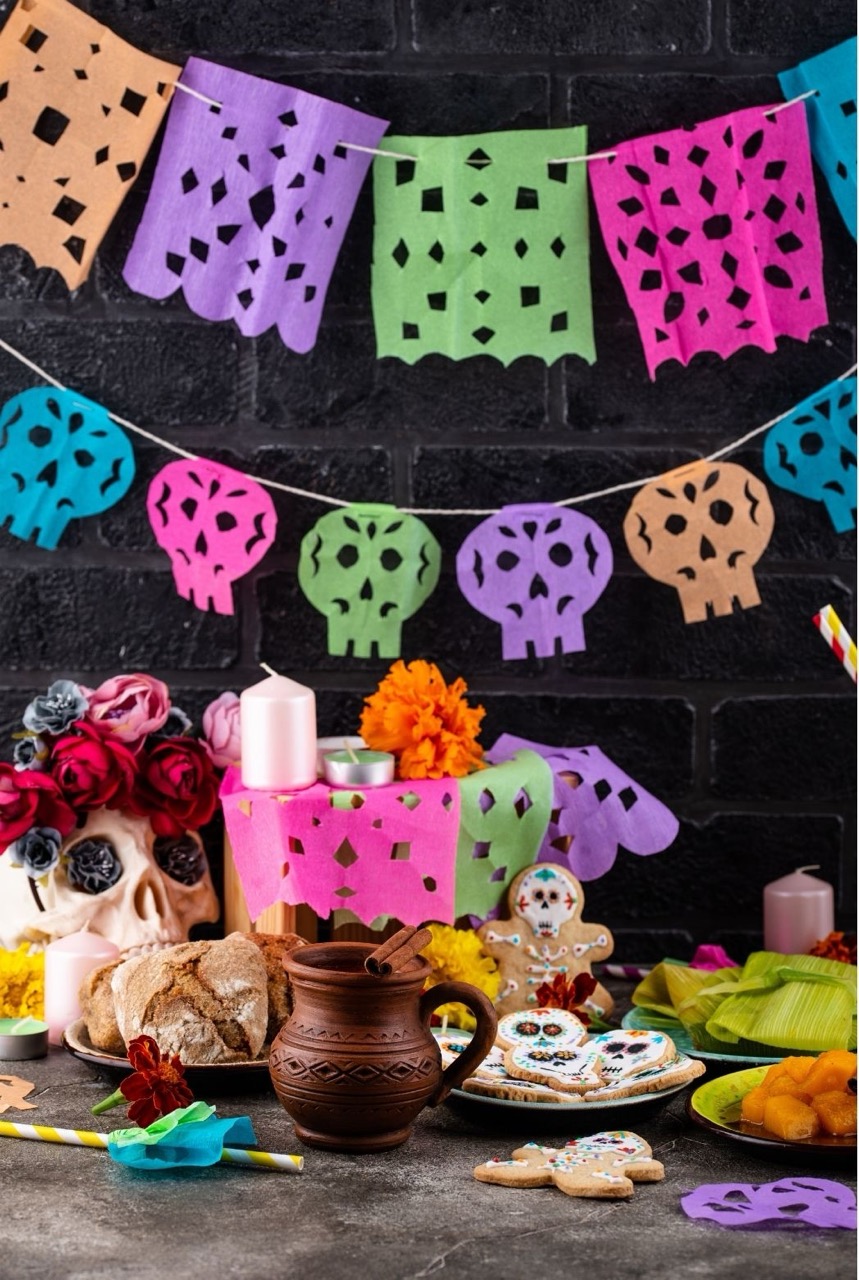
This represents air, one of the four elements present in many different interpretations of the altar. Its movement makes visible that which we cannot see: air. For our altar we’ve added a symbolic interpretation of papel picado. We used it to remind us of the fragile and fleeting nature of life.
Papel picado is more of a part of the traditions of central Mexico and not exclusively of the Mazateco people.
14. The Woven Floor Mat
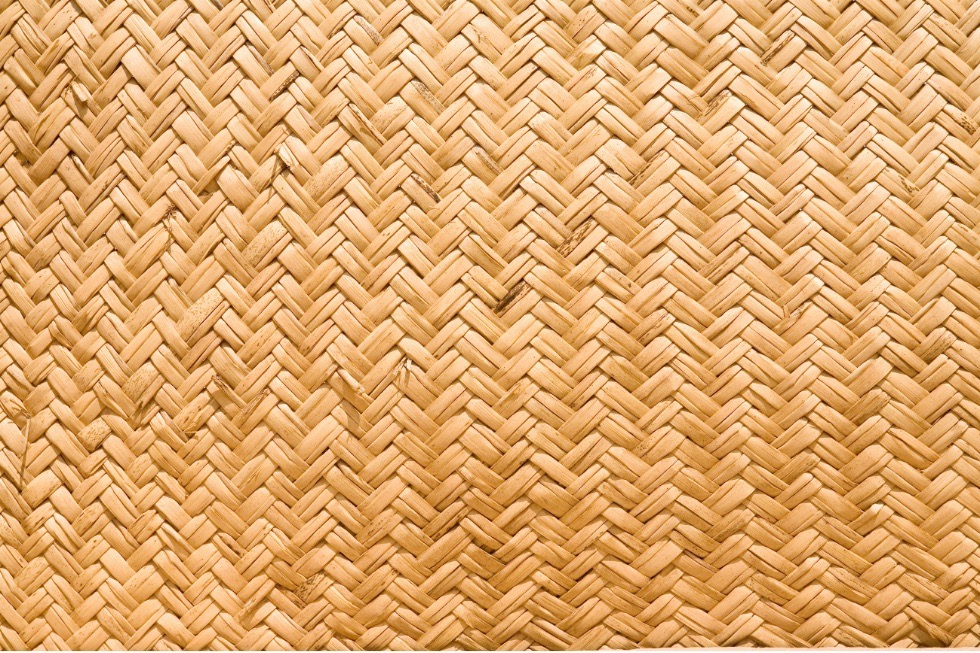
Our altar has a floor mat made of jute. This symbolizes a place of rest after the long journey of the soul. For our altar, the mat means, “After your long journey, you can rest here”.
15. Earth, Corn, Beans, and Salt Cross
On the first level (earth), we place a cross surrounded by beans and corn. Salt is a purifying element, corn and beans connect us with essential foods from Mexican life and culture.
The cross brings a Christian dimension to this altar and represents the coming together of different ways of understanding life, death, and spirituality.
16. Water, Mirror, and Towel
For the souls returning from the land of the dead, the water is for quenching thirst, the towel helps them clean off, and the mirror represents the possibility of contemplating themselves and recognizing themselves after the journey.
On our altar we’ve chosen to interpret these items as a representation of someone getting ready for a party. The soul arrives, cools off, cleans off, and prepares to meet their loved ones.
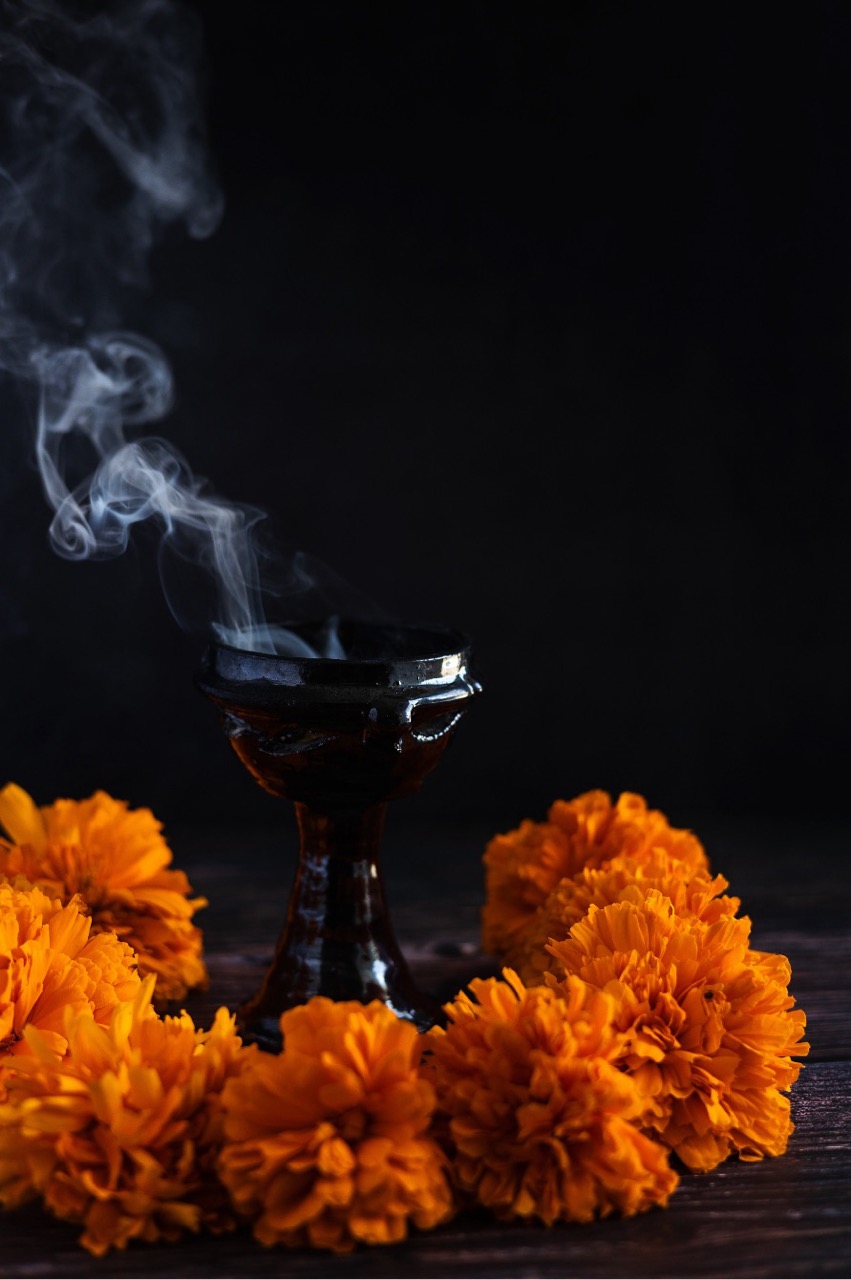
17. Copal
Copal is a resin that produces dense, aromatic smoke when burned. Traditionally the smoke is seen as a form of communication between humans and divine or spiritual beings. In Mazateca cultura the copal has to be black.
On our altar, the copal shows that the space has been purified and prepared to receive our guests.
An Offering that Brings Different Worlds Together
The Mazateca tradition reminds us that Day of the Dead is much more than placing objects on a table. Our altar seeks to preserve the deep-rooted tradition of receiving the dead as guests. We aren’t just remembering that they existed, we are preparing a space especially for them.

Our Sponsors